Table Of Content
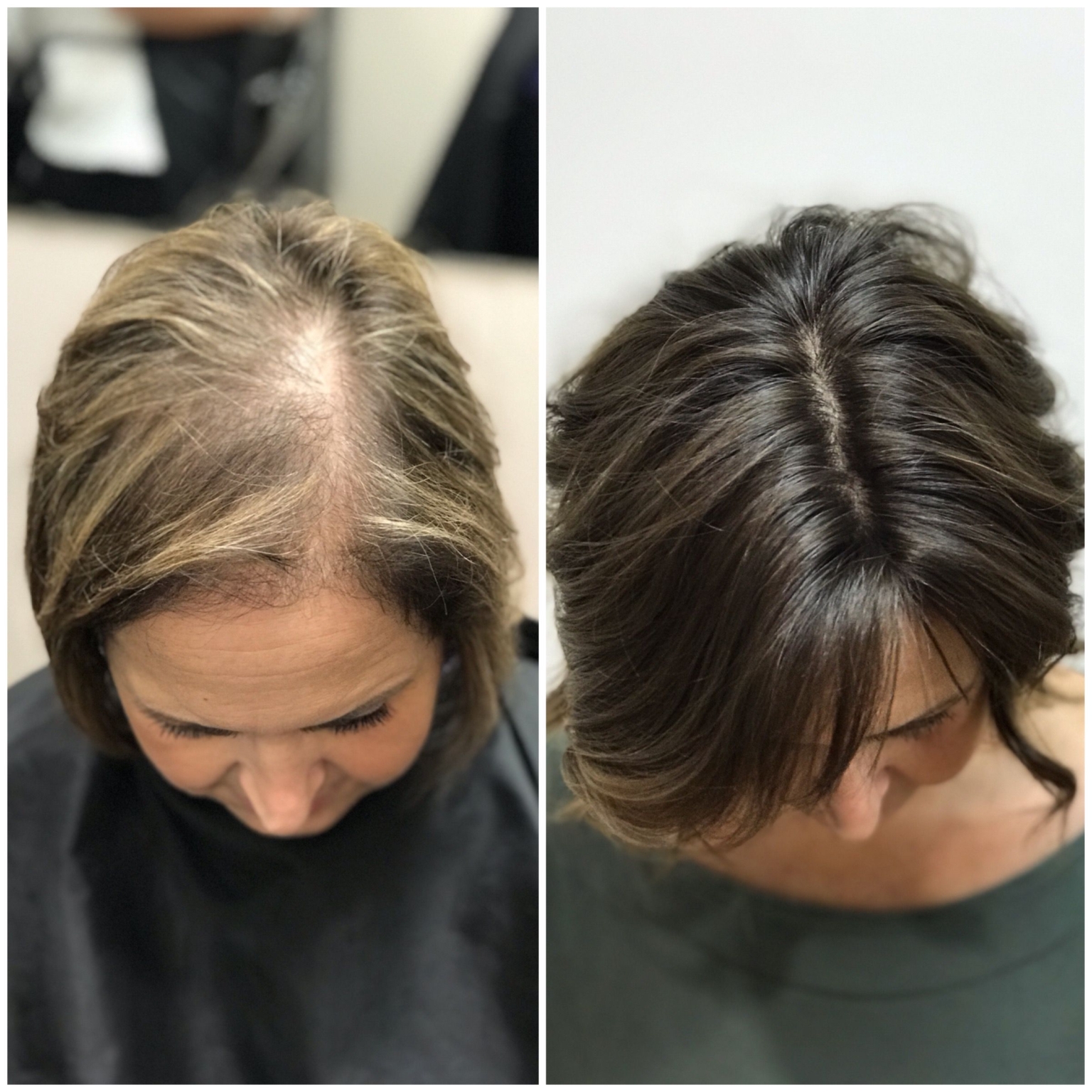
You may experience any one of several types of hair loss, such as hair thinning, a widening part, or patchy hair loss. Traction alopecia is a type of hair loss that's brought on by the way you style your hair. Hairstyles like cornrows, braids, or tight ponytails can cause it. Some signs of traction alopecia include hair loss in patches where the hair was pulled and shorter strands of hair near the forehead.
What hairstyles are best for those dealing with thinning hair?
Does Ozempic Cause Hair Loss? What Doctors Want You to Know - First For Women
Does Ozempic Cause Hair Loss? What Doctors Want You to Know.
Posted: Tue, 12 Mar 2024 07:00:00 GMT [source]
Healthy hair is dependent on your overall good health. In cases of malnourishment or with certain eating disorders, new hair may fail to generate from follicles. A blood test can help determine if you have a nutrient deficiency. Minoxidil may irritate your scalp and cause dryness, scaling, itching and/or redness. In addition, a healthcare provider might recommend forms of light therapy like using the HairMax Lasercomb®.
Find the best treatments and procedures for you
It hangs in there for 2 to 6 years, then stops for about a month. At any given time, most of your locks are in the growth phase. If you’re concerned about hair loss, talk to your doctor. They can help diagnose what might be causing it and offer treatment options to help manage it. Men get most of the attention when it comes to hair loss.
What can I do to slow or reverse thinning hair?
Traction alopecia results from too much pressure and tension on the hair, often from wearing it in tight styles, like braids, ponytails, or buns. Proteins, fats, and certain vitamins and minerals are important for hair health. A scalp infeciton can lead to scaly and sometimes inflamed areas on your scalp.
Nutrafol Review (2024): Does It Work For Hair Loss? – Forbes Health - Forbes
Nutrafol Review ( : Does It Work For Hair Loss? – Forbes Health.
Posted: Tue, 23 Jan 2024 08:00:00 GMT [source]
Things that interfere with the growth cycle -- like medications, illnesses, infections, or chemicals -- have the potential to stop hair from being formed the right way. Beyond that, age, hormones, stress, and even the way you style your hair can lead to hair loss. If you have an underlying medical condition, such as alopecia areata, getting the correct treatments from your doctor may help with hair loss. As noted, illness-related stress can cause hair loss. However, so can the illness itself - and most recently, doctors have begun to see the condition in those with long-Covid.
Men's Health
While hair loss isn’t itself dangerous, losing your hair is an emotional experience. Unwanted changes to your appearance can influence your self-esteem and social life. Some people find comfort in talking with a mental health professional if their hair loss causes discomfort. Others may find relief in changing their hairstyle or wearing a wig.
How Is Female Hair Loss Treated?
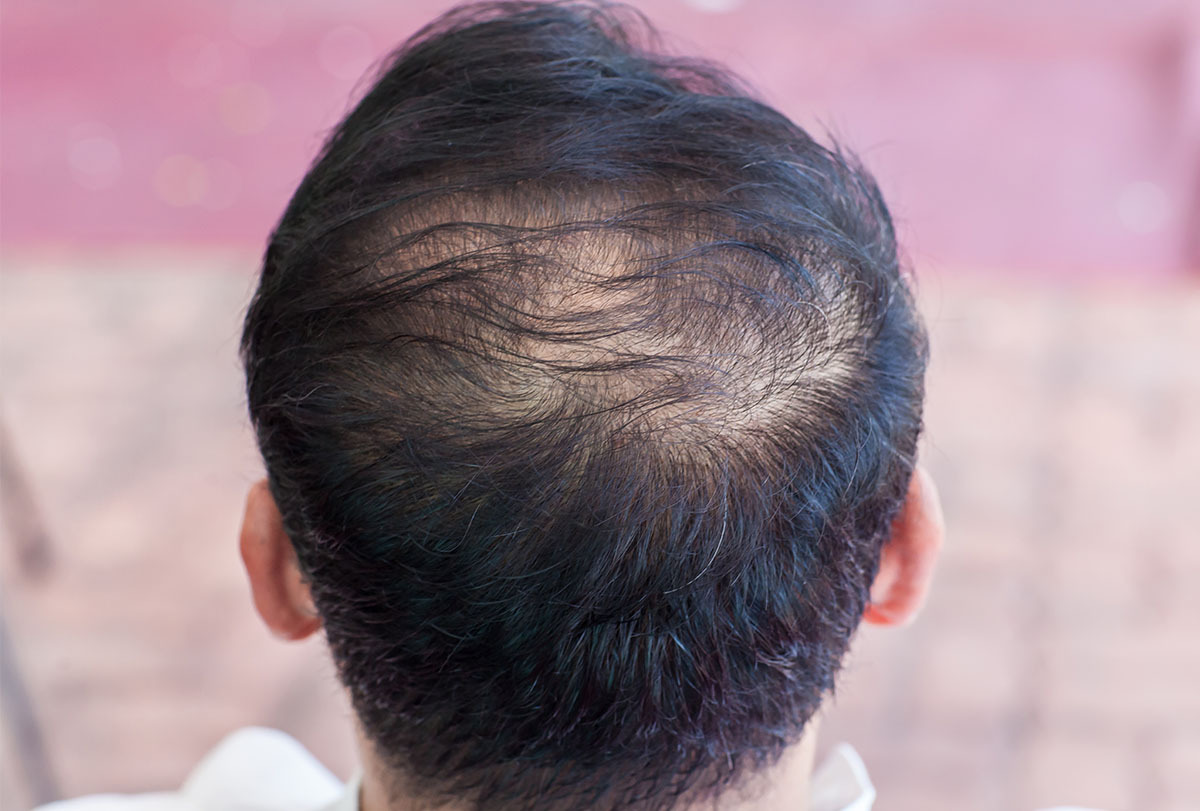
You're more likely to notice it when a lot of hair enters the resting phase at the same time or if hair roots become damaged during the growth process. In the type of patchy hair loss known as alopecia areata, hair loss occurs suddenly and usually starts with one or more circular bald patches that may overlap. Male-pattern baldness typically appears first at the hairline or top of the head. "And then what happens is that density just simply decreases over time. And in extreme form, there can be absence of hair on the crown of the scalp." Thinning hair can grow back depending on what caused it to thin in the first place.
If you have alopecia, can your hair grow back?
Newer treatments that are also being explored include some forms of laser therapy, microneedling with PRP, as well as other oral medications. Many of these treatments are still in the early testing phases though, and more research will be necessary. Shampoos cannot prevent hair loss or bring hair back, but a moisturizing shampoo can help the hair retain moisture, making it look thicker and fuller. It may also help slow thinning by reducing the risk of breakage. Doctors can often diagnose the cause of thinning hair by looking at the pattern of hair loss. People can develop hair loss where boots, socks, or tight clothing frequently rubs against their skin.
"Low nutrient levels are often accompanied by other symptoms, including fatigue and low mood so it's a good idea to pay attention to these symptoms too," says nutritionist Eva Humphries. Perhaps unsurprisingly, it's the bleaching and lightening process that causes the most damage so when you stop doing this, you should see your hair begin to regrow again as normal. Thankfully, Dr Bhavini Shah from LloydsPharmacy Online Doctor has explained eight potential reasons why your hair may be falling out or thinning over time. If you're dealing with thinning strands or alopecia, you're not alone.
A healthcare provider will do a thorough examination and take a detailed history to understand changes in your hair growth. Your provider will also ask about what medications or supplements you currently take. However, she notes that this only normally affects younger women or those diagnosed with early prediabetes. "The ends of the hair become very thin and straggly, which signals a disruption to the growing and shedding cycle of the hair," she notes. But, it's easy to treat and if the hair thinning is caused by stress, you'll likely see it grow again with time.
Long, short, bouncy, or sleek, for most women hair is way more than a bundle of fibers. But if you start to lose your hair, it can really freak you out. “Give your doctor a full hair history — when the thinning began, where and how extensive the thinning is, and any relevant symptoms,” she says. It is worth noting that this method is unlikely to benefit or help people with scarring alopecias. Telogen effluvium is a type of sudden hair loss that results from emotional or physical shock, like a traumatic event, period of extreme stress, or a serious illness. A person should always dilute essential oils with a carrier oil, such as jojoba or coconut oil.
Your hair could thin all over, with the greatest loss along the center of the scalp. Both men and women develop this type of hair loss, which is the most common cause of hair loss worldwide. Regardless of whether it develops in a man or women, the medical term is androgenic alopecia. The type and severity of hair loss you experience may determine the outcome (prognosis). Some types of hair loss are permanent, especially if you have damage to your hair follicles.
Unless you have extremely oily hair, consider washing your hair only every other day or less. Over-the-counter (OTC) medications generally consist of topical creams, gels, solutions, or foams that you apply directly to the scalp. The most common products contain an ingredient called minoxidil.


No comments:
Post a Comment